Charting Fatigue Cascades Across Back-to-Back Schedules and Their Influence on Multi-Sport Selection Accuracy
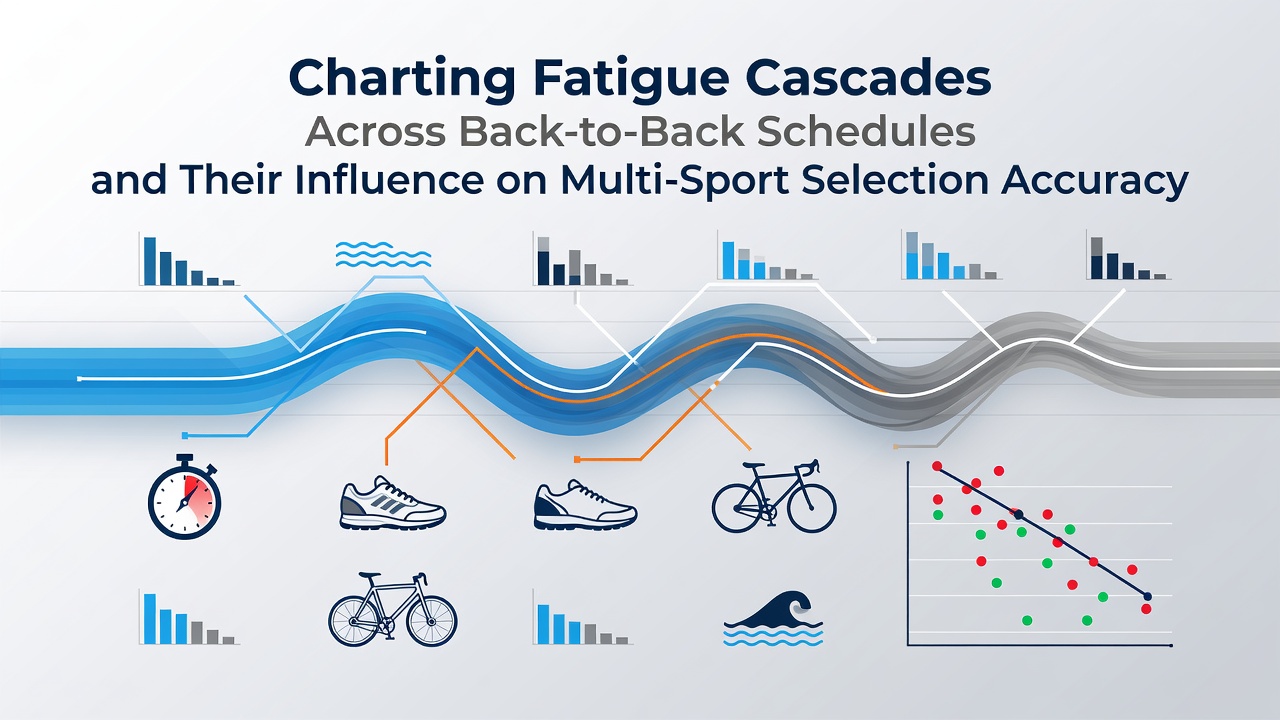
Back-to-back schedules create layered fatigue patterns that ripple through athlete performance across tennis, football, golf, and horse racing. Researchers track these cascades through metrics such as recovery time, heart rate variability, and movement efficiency, which directly shape how analysts evaluate selections in multi-sport contexts. Data from longitudinal monitoring programs show that consecutive high-intensity events reduce precision in key performance indicators by measurable margins.
Mapping Fatigue Patterns in Overlapping Calendars
July 2026 features dense overlaps including the conclusion of major tennis tournaments, mid-season football fixtures, golf majors, and peak horse racing meetings. Studies compiled by the Australian Institute of Sport reveal that athletes and jockeys competing within 48 hours of prior exertions experience declines in reaction time and endurance output. These patterns compound when travel and environmental factors enter the equation, producing what performance analysts term fatigue cascades.
Football players transitioning from international windows into domestic leagues display elevated markers of muscle damage according to reports from the Canadian Sport Institute Pacific. Tennis competitors moving between clay and grass surfaces in quick succession register shifts in serve velocity and error rates that align with reduced recovery windows. Golfers completing 72-hole events followed by immediate travel to the next venue show altered swing mechanics in biomechanical data sets.
Quantifying Effects on Selection Metrics
Performance databases used for multi-sport analysis incorporate fatigue-adjusted variables to improve prediction accuracy. When back-to-back loads exceed individual thresholds, historical win rates and scoring averages diverge from baseline figures. Research published through the American College of Sports Medicine demonstrates that incorporating recovery indices raises the reliability of cross-sport comparisons by accounting for these deviations.
Selection frameworks that ignore cascade effects produce wider variance between projected and observed outcomes. Horse racing speed figures, for instance, require adjustment when jockeys ride multiple meetings within short intervals, as documented in industry monitoring by Racing Australia. Football set-piece conversion rates similarly fluctuate when squads operate under condensed fixture lists without adequate rotation.
Comparative Data Across Disciplines
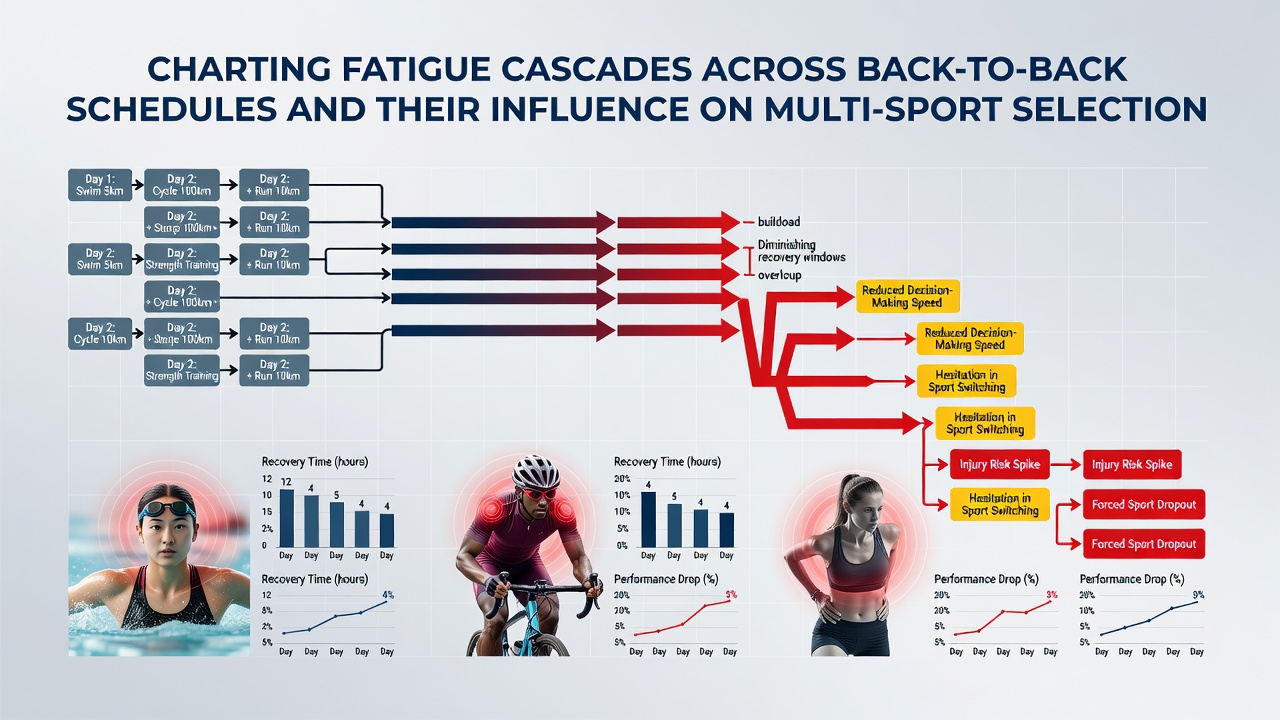
Evidence from the 2025-2026 seasons indicates consistent patterns. Tennis players contesting five-set matches on successive days post lower first-serve percentages in subsequent rounds. Football teams playing midweek European ties followed by weekend league games record fewer high-intensity runs per player according to GPS tracking aggregated by UEFA-affiliated research groups. Golfers entering final rounds after travel exhibit slight increases in putts per round on early holes, while jockeys handling consecutive race days show measurable changes in whip usage frequency and positioning decisions tracked by regulatory bodies in Australia and Ireland.
These shifts influence how analysts weight variables in combined selections. Models that layer fatigue modifiers onto raw statistics demonstrate tighter alignment with actual results across sports. Data sets from university-led projects at institutions in North America and Europe confirm that unadjusted figures overestimate consistency when schedules compress.
Integration Into Analytical Practice
Practitioners now cross-reference schedule density with biometric and performance logs to refine accuracy. Software platforms aggregate inputs from multiple federations, enabling real-time adjustments for athletes appearing in overlapping events. Figures released by the International Olympic Committee’s athlete monitoring initiatives highlight the value of such integration during high-density periods like those projected for summer 2026.
Selection accuracy improves when models treat fatigue not as an isolated variable but as a propagating sequence across competitions. Observers note that incorporating data on prior event loads, travel distances, and sleep disruption produces more stable outputs in multi-sport evaluations.
Conclusion
Fatigue cascades arising from back-to-back schedules leave measurable imprints on performance indicators used for cross-sport selections. Research from diverse monitoring programs supplies the evidence base for adjusting analytical models accordingly. Continued refinement of these approaches supports greater consistency between projected and realized outcomes as calendars grow more congested.