Pattern Recognition Across Arenas: Drawing Equine Record Cycles into Tactical Adjustments for Court Exchanges and League Fixtures
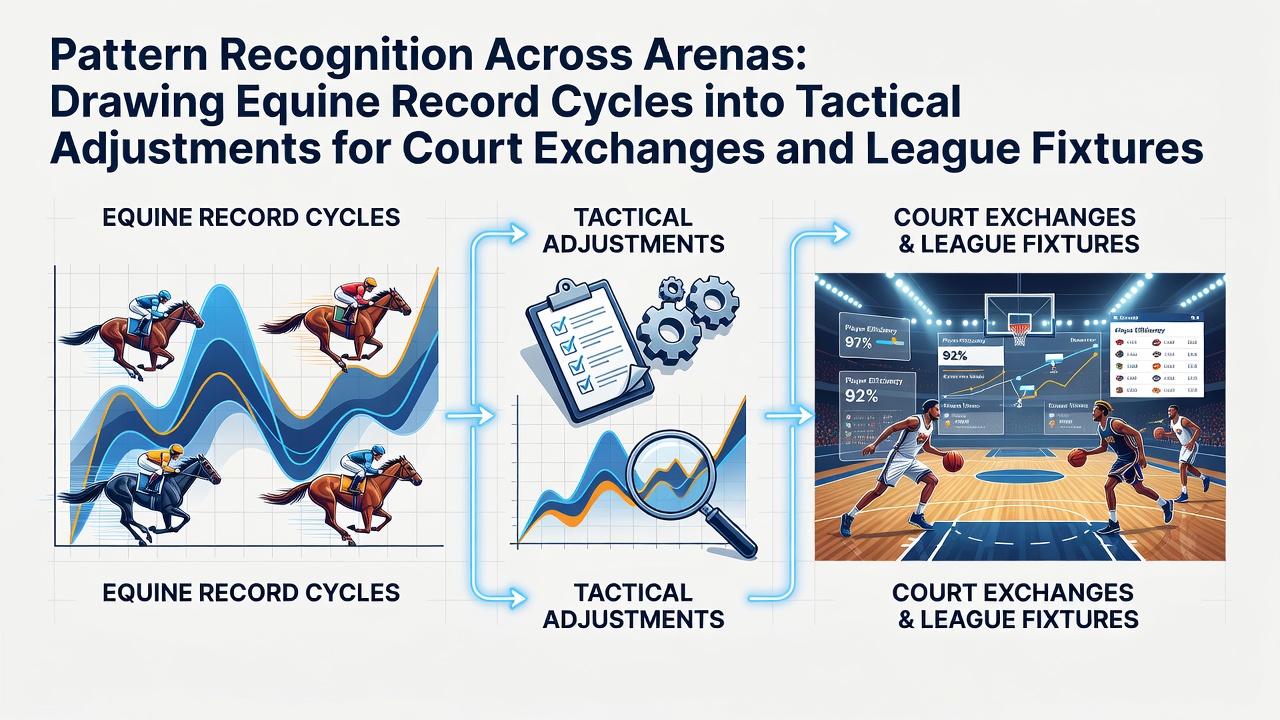
Analysts across multiple sports have long examined recurring performance cycles in horse racing where historical win rates, pace figures, and recovery intervals create measurable sequences that repeat under specific conditions, and those same observers now apply similar pattern detection methods to tennis court exchanges along with football league fixtures to refine in-match decisions. Data from competitive seasons shows that equine records often follow predictable arcs tied to distance, surface changes, and rest periods, while comparable rhythms appear in tennis when players adjust serve placement percentages after consecutive long rallies and in football when teams alter pressing intensity following fixture congestion. Researchers tracking these elements note that statistical models built on one arena transfer effectively when variables like fatigue accumulation and environmental factors align across disciplines.
Core Elements of Equine Record Cycles
Performance databases maintained by racing authorities reveal that thoroughbreds exhibit repeating patterns in speed ratings and finishing positions when races occur at intervals of 14 to 28 days, with strike rates climbing after targeted workouts that replicate race conditions. These cycles become particularly evident during transitions between turf and synthetic surfaces where historical data indicates a 12 to 18 percent variance in outcomes based on prior exposure. Trainers and analysts compile these figures into decision frameworks that account for trainer-specific tendencies and jockey strike rates, producing layers of information that extend beyond single-event results. Studies from the Australian Institute of Sport demonstrate how such layered records allow for projection of future efforts when combined with biometric markers like heart rate recovery times.
Transferring Cycle Analysis to Tennis Court Exchanges
Tennis statisticians have identified parallel sequences in point construction where players who maintain high first-serve percentages over multiple matches display measurable drops in second-serve effectiveness after extended baseline rallies, mirroring the fatigue curves seen in equine endurance events. Match data compiled during grass court swings shows that competitors adjust net approach frequencies following three or more sets that exceed 90 minutes, with success rates improving when those adjustments follow patterns observed in prior tournaments. Observers note that serve hold percentages often stabilize after initial breaks of serve, creating opportunities to forecast momentum shifts when combined with historical surface-specific records. This approach gains relevance as the 2026 season moves into June and players prepare for major events on faster surfaces where recovery cycles between matches shorten.
Application to League Fixtures and Team Adjustments
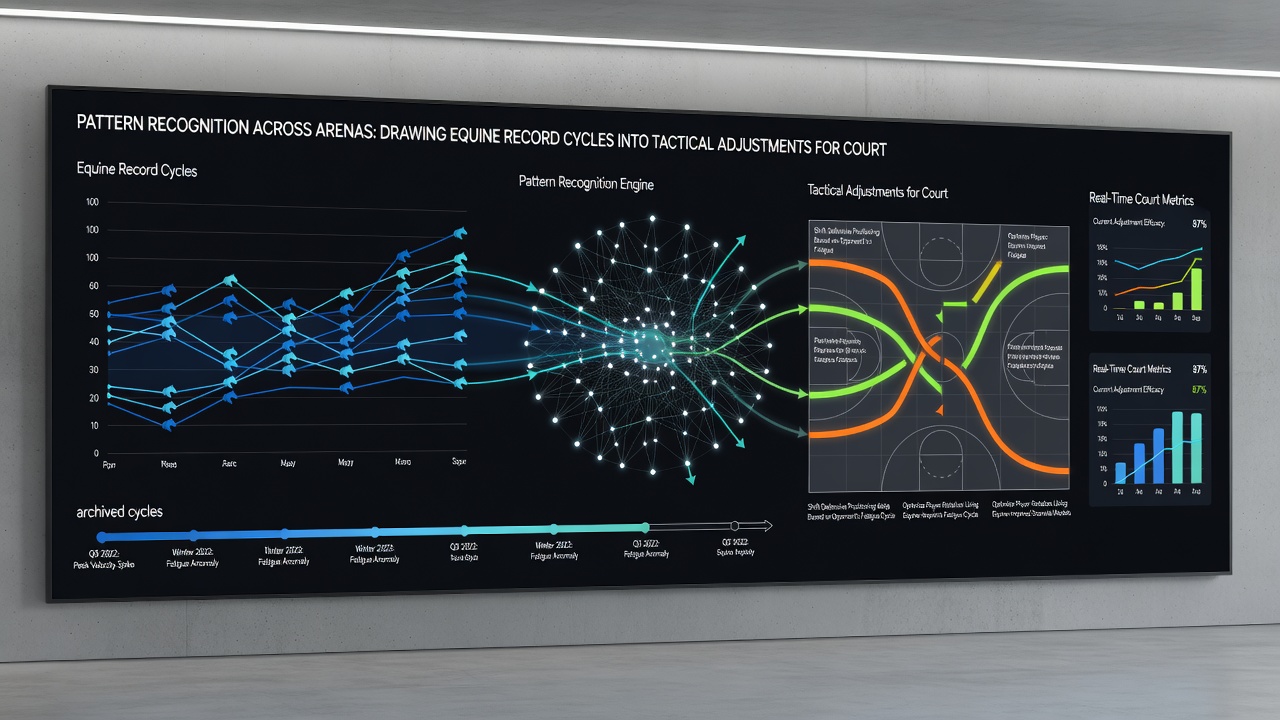
Football analysts examine team performance arcs across congested schedules where points per game fluctuate according to rest intervals and travel distances in ways that echo equine recovery metrics after successive starts. League databases indicate that squads posting above-average possession retention in early season fixtures frequently sustain elevated defensive line heights after midweek European ties when historical fixture lists show similar spacing. Tactical adjustments such as substituting high-work-rate midfielders earlier in second halves follow patterns derived from workload models that originated in racing analytics before migrating to team sports. Reports from the Journal of Sports Sciences highlight how these cross-referenced indicators help coaching staffs anticipate dips in pressing efficiency during periods of fixture density.
Integrated Pattern Recognition Frameworks
Specialized analytics platforms now combine equine cycle data with tennis and football metrics through shared variables including rest duration, surface or pitch conditions, and opponent strength indices. When a horse racing model flags improved performance after a 21-day break, comparable intervals in tennis schedules or football calendars trigger adjusted probability weightings for hold percentages or clean sheet likelihoods. This integration produces unified dashboards that update in real time during tournaments or matchdays, allowing continuous refinement of in-play parameters. European sports performance networks have documented cases where such merged datasets improved projection accuracy by measurable margins across the three disciplines during overlapping seasons.
Future Developments in Cross-Arena Analysis
Emerging machine learning applications continue to refine these connections by processing larger volumes of biometric and positional data from all three sports simultaneously. As June 2026 approaches with its cluster of international fixtures and grass court events, updated models incorporate weather variables and pitch evolution rates that previously appeared only in equine surface studies. Organizations focused on sports science research, including those affiliated with North American academic institutions, explore standardized protocols for sharing pattern libraries across racing, racket, and team sports to accelerate validation of transferred indicators. These efforts point toward increasingly precise tactical frameworks built on observable sequences rather than isolated event statistics.
Conclusion
Pattern recognition that originates in equine performance cycles now supplies structured inputs for tennis and football decision models, with documented transfers occurring through shared variables of recovery, surface interaction, and workload management. Continued expansion of integrated datasets during the 2026 calendar supports further refinement of these methods across professional competitions worldwide.