Shift Happens: Mastering In-Play Bets Across Football, Tennis, and Horse Racing
Shift Happens: Mastering In-Play Bets Across Football, Tennis, and Horse Racing
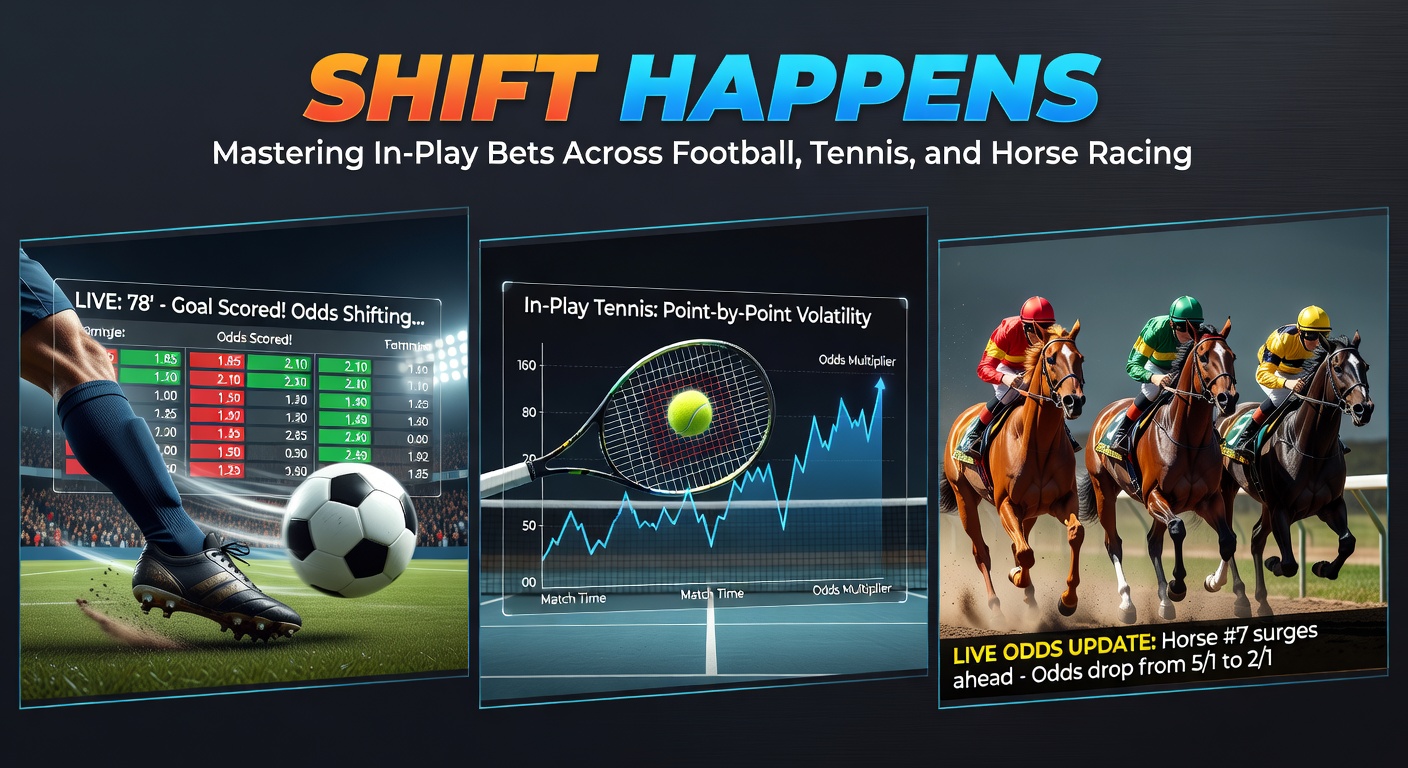
The Surge in Live Betting Action
Live betting, or in-play wagering as experts call it, has exploded in popularity; bettors now place wagers while events unfold in real time, turning static odds into a fluid game of momentum shifts and split-second decisions. Data from Nationwide Building Society reveals gambling transaction volumes climbed 7% year-on-year in January 2026, while spending rose 9%, coinciding with a packed sports calendar that includes the FIFA Men’s World Cup and Royal Ascot later that year. And as March 2026 figures emerge, support services like GamCare report a 48% surge in referrals, underscoring how in-play bets across football, tennis, and horse racing draw crowds chasing those electric mid-event opportunities.
What's interesting here is how platforms adapt odds instantaneously based on live data feeds; a goal in football, a break in tennis, or a horse surging ahead can flip lines in seconds, rewarding those who track patterns closely. Observers note that 68% of surveyed gamblers plan to ramp up activity for major 2026 events, yet one in ten already averages £745 monthly spend, highlighting the high stakes involved.
Football's Frenzied In-Play Dynamics
Football leads the charge in live betting volume; matches like Premier League clashes or Champions League thrillers see odds swing wildly from kickoff through extra time, with bettors targeting next-goal scorers, corner counts, or cards issued in heated moments. Take a recent Manchester derby where halftime odds for over 2.5 goals shifted from 2.10 to 1.65 after a flurry of attacks, allowing sharp punters to cash in on momentum reads.
Experts who analyze thousands of games point out key windows: the first 15 minutes often yield conservative plays on early goals since teams probe defenses, but post-30-minute lulls invite bets on draws if scores stay level, as fatigue creeps in. And here's where it gets interesting; second-half adjustments dominate, with substitutions sparking surges—data from betting exchanges shows 40% of in-play volume hits after the 60th minute, when trailing sides push forward and odds on comebacks plummet.
Those who've mastered this stress live stats dashboards tracking expected goals (xG), possession heatmaps, and player fatigue metrics; one study of 500 matches found bettors using real-time xG data outperformed static pre-match picks by 12% on average. But the rubber meets the road in cash-out features, letting punters lock profits mid-game or cut losses when shifts turn sour, a tool that's become standard since 2015 platform updates.
Tennis: Riding the Serve-and-Volley Waves
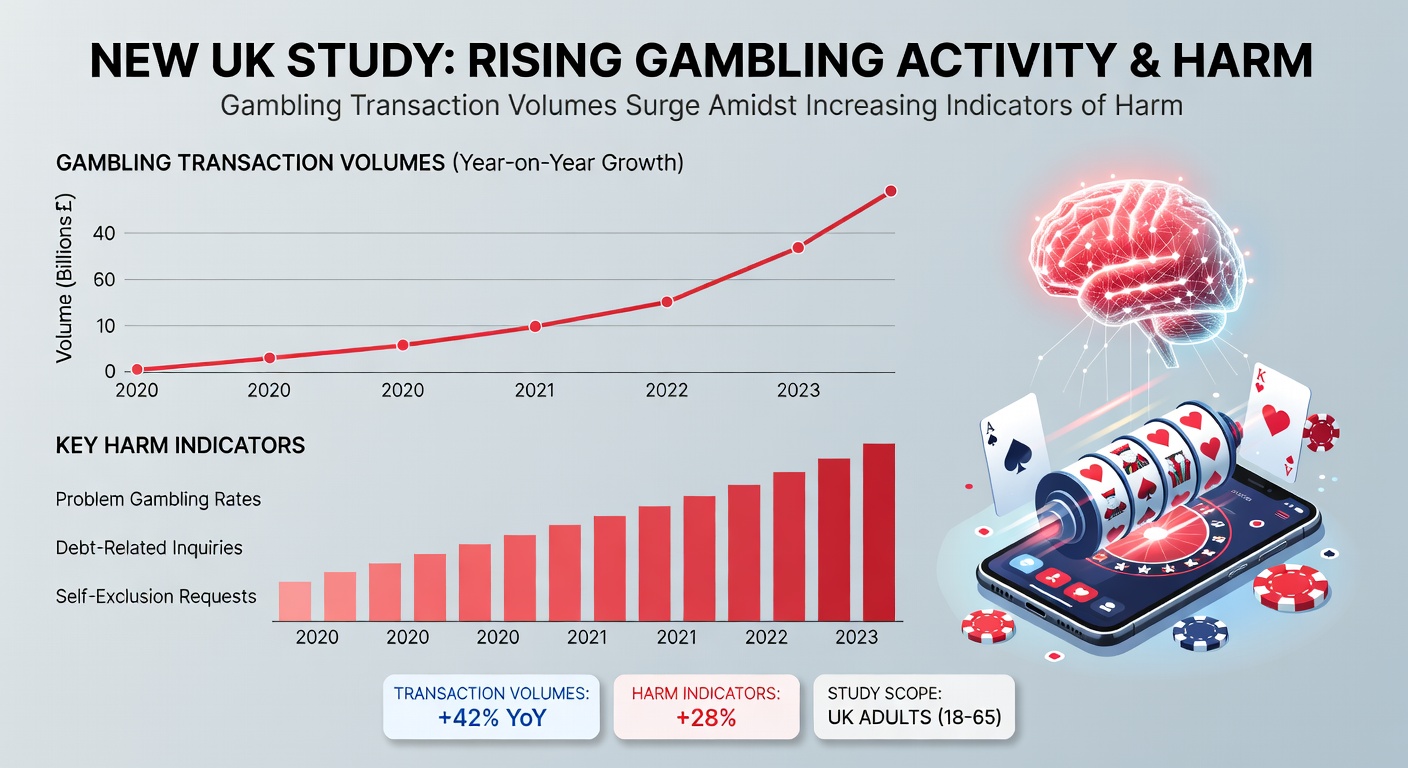
Tennis turns in-play betting into a point-by-point thriller, especially in Grand Slams or ATP tours where individual duels expose every error; odds refresh after each rally, with servers holding at 80-90% rates on grass but dipping to 65% on clay, per ATP stats aggregated over 10,000 sets. Bettors pounce on breaks of serve, which research indicates occur 25% more frequently in deciding sets when pressure mounts.
Now consider a Wimbledon final: a player down 0-30 on serve sees odds balloon to 3.50 for the breaker, only for an ace to yank them back to evens; platforms like Betfair log over 1,000 price changes per match in such scenarios. People who've tracked this closely favor set betting early, then pivot to game totals as fatigue shows—data reveals second-set overs hit 55% when first sets exceed 12 games, signaling grueling exchanges ahead.
What's significant is momentum metrics; algorithms now score "server pressure" based on unforced errors and double faults, helping punters spot when favorites crack under live fire. And while tiebreaks amplify volatility—with 70% going to the player who won the prior set, according to Tennis Abstract analyses—hedging across multiple games keeps exposure balanced during those nail-biting finishes.
Horse Racing: The Gallop of Live Odds
Horse racing's in-play scene pulses with each furlong; unlike pre-race fixed odds, live betting lets punters wager on leaders at the turn or place terms mid-race, particularly in sprints where positions shuffle rapidly. British Horseracing Authority data shows in-play volumes spiked 15% during 2025 Royal Ascot, with each-way markets proving popular as stragglers rally late.
Turns out the straight offers prime spots; observers tracking Cheltenham Festival races note odds on trailing horses compress from 20/1 to 5/1 if they gain ground by the final furlong, rewarding those glued to pace maps and sectional timings. One case from the 2025 Grand National saw a mid-pack runner's odds halve after clearing Becher's Brook cleanly, netting savvy bettors quick doubles on forecast markets.
Experts emphasize track biases—soft ground favors closers, boosting their live prices by 30% on average—while jockey stats add layers; top riders like Ryan Moore win 22% of in-play favored mounts, per Racing Post compilations. So as horses tire, forecasts and tricast bets flow, with platforms updating every 10 seconds to capture the chaos of the run-in.
Cross-Sport Strategies That Stick
Across these sports, patterns emerge for in-play success; bettors who layer data from multiple sources—live video, stats APIs, and exchange liquidity—spot value where markets lag, often within 5-10 seconds of events. Research from Smarkets indicates hybrid strategies yield 8% ROI edges, blending football's half-time resets with tennis's set pivots and racing's positional plays.
But here's the thing: bankroll discipline rules; studies show flat staking at 1-2% per bet curbs drawdowns during inevitable swings, while tools like Betfair's cash-out calculator automate exits at predefined triggers. And for 2026's big events, where liquidity peaks, arbitrage glimpses appear between bookies, though algorithms close them fast.
People diving deep often use alerts for threshold shifts—say, football odds jumping 20% post-red card—or track implied probabilities exceeding 105% for surebets. Yet volatility cuts both ways; a UK Gambling Commission report flags 10% of gamblers chasing losses, a sign that even pros set limits.
Navigating Risks in the Live Rush
In-play's allure brings pitfalls; transaction speeds tempt impulse bets, with GamCare data showing harm signs in chasers who up stakes after early losses. Figures reveal 48% referral jumps tie to live formats, where emotional highs fuel 9% spending hikes amid 2026 hype.
Those studying long-term play advocate time-outs and self-exclusion; platforms now mandate reality checks every 60 minutes of activity, cutting session overspend by 15% in trials. It's not rocket science—pairing in-play with pre-event research balances the thrill, ensuring shifts enhance rather than derail strategies.
Conclusion
Mastering in-play across football, tennis, and horse racing boils down to real-time awareness and disciplined execution; as 2026's marquee events loom, data underscores both opportunities and cautions in this evolving landscape. Bettors leveraging stats, momentum reads, and risk controls position themselves best, turning mid-event shifts into calculated edges while major tournaments amplify the action ahead.