The synchronization of seasonal cycles: aligning peak periods across soccer, tennis, golf, and racing for strategic wager placement
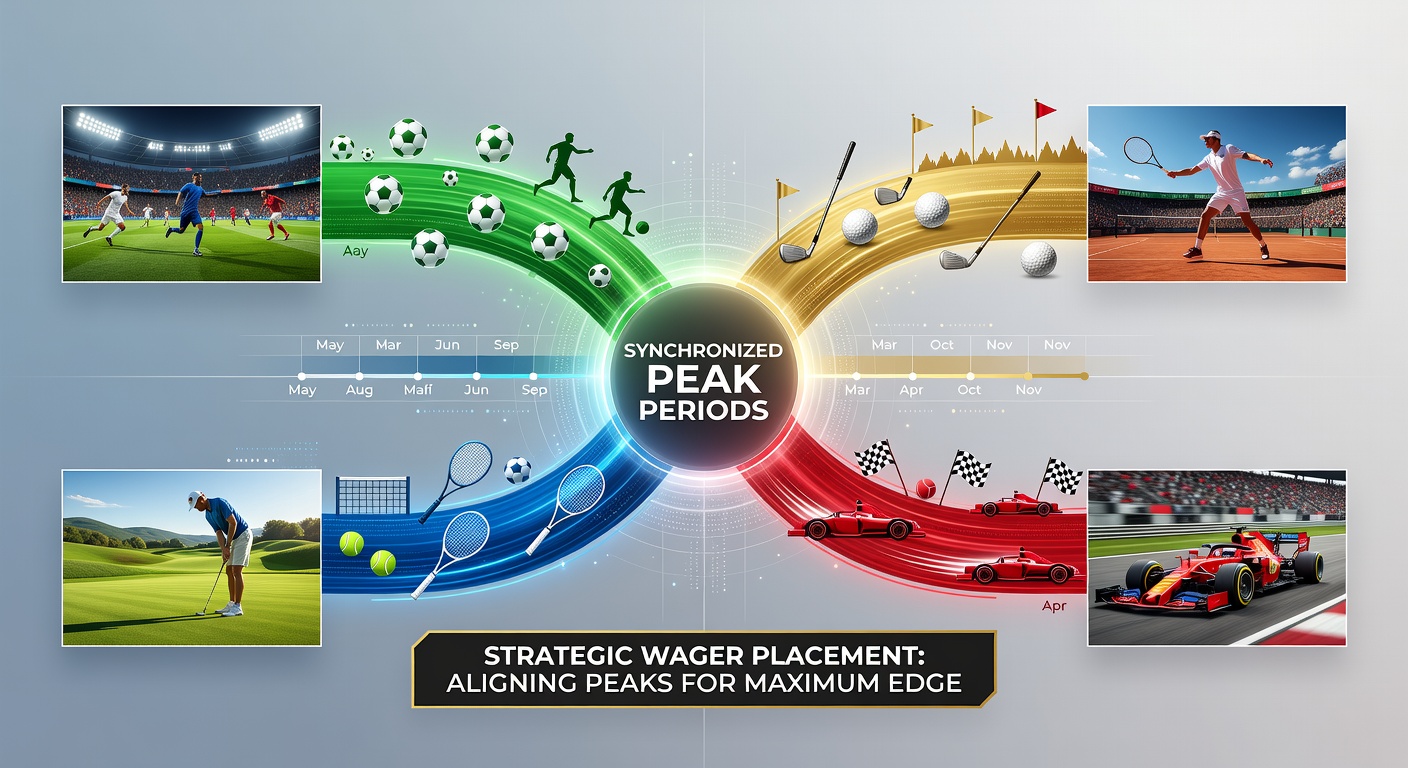
Seasonal rhythms in soccer, tennis, golf and racing create overlapping windows where performance trends, fixture density and market liquidity reach simultaneous highs, and observers note that these intersections allow structured approaches to wager timing. European soccer leagues typically build toward decisive spring campaigns while major tennis events cluster in early summer, golf majors occupy mid-year slots and thoroughbred festivals align with similar dates, which produces concentrated periods when data sets from multiple disciplines become available for cross-referenced analysis.
Calendar patterns across the four disciplines
Soccer campaigns in top European divisions run from August to May with title races and relegation battles intensifying after the March international break, yet the June 2026 FIFA World Cup will shift attention to a compressed summer schedule that overlaps with established tennis and golf fixtures. Tennis professionals reach peak activity during the clay and grass swing that begins with the French Open in late May and extends through Wimbledon in early July, creating a six-week stretch when daily matches generate extensive statistical output. Golf schedules place the US Open in mid-June and The Open Championship in mid-July, while flat-racing calendars feature Royal Ascot in June and major stakes races through July, so the same four-week window in 2026 will contain high-profile events from every sport.
Researchers tracking fixture congestion have documented how these overlaps influence participant preparation and outcome variance, and data from governing bodies such as the Fédération Internationale de Football Association show increased match loads during multi-sport summers. The same periods also coincide with elevated betting volumes, because markets for each sport remain liquid while cross-sport correlations become measurable through shared variables such as travel fatigue and surface adaptation.
Aligning data streams for wager construction
Analysts combine soccer goal-timing distributions with tennis service-hold percentages and golf driving-accuracy figures when constructing multi-leg wagers, yet the synchronization of peaks supplies an additional layer because form lines from one sport can be tested against contemporaneous data from another. Horse-racing speed figures compiled during June festivals, for instance, have been cross-checked against golf scoring averages on firm fairways, because both metrics respond to similar weather patterns. Observers have recorded instances where early-week racing results at Ascot preceded comparable trends in mid-week golf tournaments held under identical temperature ranges, allowing models to update probability estimates before weekend soccer fixtures conclude.
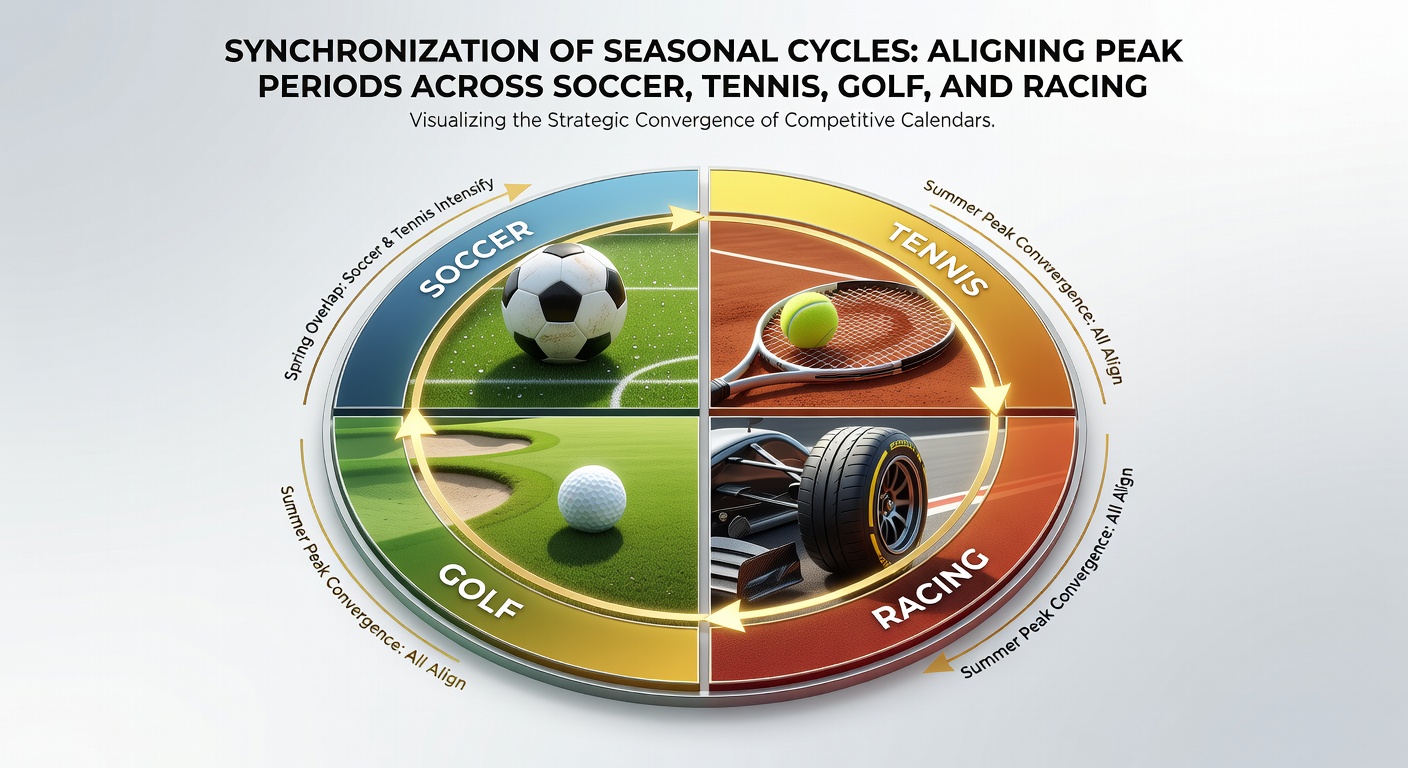
Those who maintain longitudinal databases report that correlation coefficients between certain performance indicators strengthen when events occur within the same fortnight, and the June cluster supplies the densest sample each year. Bettors therefore schedule deeper reviews of historical June outcomes across all four sports rather than treating each discipline in isolation, which produces accumulator structures that reflect simultaneous rather than sequential information flows.
Market liquidity and timing considerations
Bookmaker margins tend to tighten during high-profile weeks because increased turnover allows operators to balance books more efficiently, and June windows consistently rank among the busiest periods for combined soccer-tennis-golf-racing slips. Liquidity also extends to niche markets such as set-piece goal timing in soccer or fairway bunker avoidance in golf, because the same bettors active in one sport migrate to others when schedules overlap. Figures published by the Australian Sports Commission indicate that combined wagering turnover across these disciplines rises measurably when multiple majors coincide, and similar patterns appear in North American and European operator reports.
Traders adjust limits and odds compilation schedules in anticipation of these alignments, while syndicates deploy automated scraping tools to capture real-time statistics from all four feeds during the busiest days. The result is a compressed decision cycle in which data from a morning racing card can inform afternoon tennis bets that in turn shape evening soccer positions, all within the same calendar week.
Practical application examples
One documented approach involves monitoring Royal Ascot turf conditions for clues about ground-speed expectations that later appear on golf courses hosting the US Open, because both surfaces respond to comparable rainfall and temperature profiles. Another tracks tennis players returning from clay-court exertions into grass-court events and compares their movement metrics with soccer squads transitioning between domestic and international commitments in the same month. These cross-checks become feasible only when calendars align, which occurs most reliably in the June window.
Industry reports from the European Gaming and Betting Association note that operators have expanded same-day multi-sport specials during this period precisely because participant pools overlap and statistical interdependence increases. Bettors who maintain separate models for each sport therefore add a synchronization overlay that recalibrates confidence intervals when multiple peaks converge.
Conclusion
Seasonal calendars in soccer, tennis, golf and racing converge most densely during early summer, and the June 2026 cluster will again present an extended window in which performance data, market liquidity and fixture density align across disciplines. Observers who integrate these synchronized streams gain access to comparative indicators that remain unavailable during non-overlapping months, allowing wager structures to reflect contemporaneous conditions rather than isolated seasonal narratives. Continued documentation of these intersections supplies the factual basis for timing decisions that span all four sports.